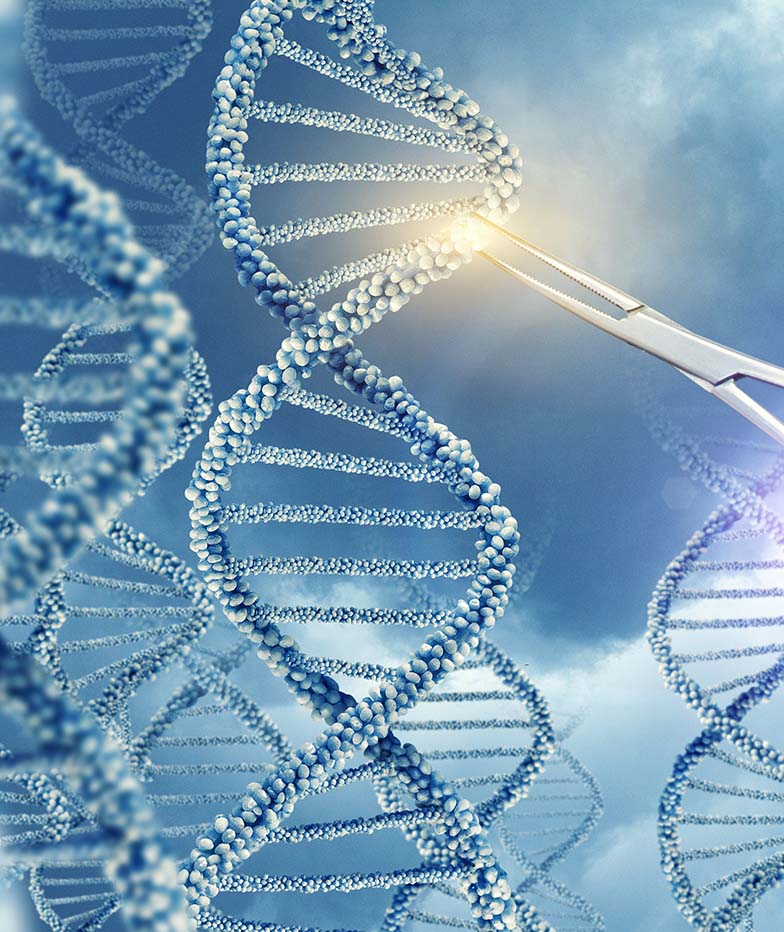
We're engineering superior cell therapies for cancer patients.

By developing novel technologies to re-educate immune cells to eradicate tumors.

Challenges for T-Cell Therapies

CAR-T cell therapies have transformed the therapeutic landscape for patients with leukemias and lymphomas.​However, there are still many patients with hematologic malignancies who either do not respond or who relapse, and the success of T cell therapies in solid tumors have been minimal. The potential of these therapies has been limited by inhibitory factors, both intrinsic and extrinsic, that suppress their function. In solid tumors, cell therapies encounter numerous challenges within the tumor microenvironment that can inhibit their ability to infiltrate, function, and persist. As a lab we think from the perspective of the immune cells to anticipate and model the various forms of suppression they will encounter to explore how to confer resistance to these suppressive factors. By exploiting the power of novel gene engineering strategies, we can break these cells from some of their evolutionary constraints and rewire them with more therapeutic biological programs.

Our Research Pipeline

Research Pipeline

We have built a translationally focused research pipeline to push the bounds of cell therapies for relapsed hematological cancers and aggressive solid tumors. Our work starts by developing and harnessing the power of unbiased CRISPR-based discovery platforms to identify novel gene targets that can be manipulated in immune cells to drive more therapeutic behaviors. Once identified, top targets are mechanistically studied to understand how they affect immune cell behavior. These rewired cells are tested as novel cancer therapies in preclinical models and top-performing cell therapies are rigorously evaluated for safety and efficacy with the goal of advancing towards clinical trials.

Developing high-throughput unbiased discovery platforms to advance next-generation cell therapies.
We are utilizing novel forward genetics screening approaches to map uncharted biology in human immune cells that can be used therapeutically. The recent CRISPR revolution has dramatically increased our ability to probe uncharted biology with precision across numerous cell types. While the majority of these genetic engineering advances were first used in immortalized cell lines, these tools can now be employed in primary cells to comprehensively query large swaths of genomic space to understand which genes and biological pathways are critical to certain cell behaviors and phenotypes. We developed a novel CRISPR screening platform to perform genome-wide CRISPR screens in primary human T cells, the key cell type used for cell-based cancer therapies (ie: CAR-T cells and TCR T cells). Since that time, we have elaborated on this screening platform to model immune suppressive conditions found in the tumor microenvironment and to readily adopt new and evolving CRISPR technologies to identify key biological pathways that modulate immune response.
Rewiring immune cells to thrive and persist in challenging conditions in the tumor microenvironment.
We explore how manipulating key genes and gene combinations in immune cells change their biology and effector functions. External and internal constraints limit the therapeutic potential of immune cells. We aim to break these evolutionary constraints to stimulate therapeutic behaviors. There are also hard-wired mechanisms that can be co-opted to boost immune cell properties for therapeutic gain. By modulating key gene targets, we are rewriting the code for how these cells operate to improve their cancer fighting abilities.
Building preclinical tools to advance promising strategies to the clinic.

In order to drive our findings to the clinic, we are engaging in highly translation research efforts and developing new preclinical models that can better predict which approaches will ultimately benefit cancer patients. In collaboration with other research and clinical teams, we are advancing top strategies using disease relevant preclinical models that will position these therapies to move into early phase clinical trials. For example, we are working with two other laboratories at the Gladstone-UCSF Genomics Immunology Institute to develop a novel CAR-T cell product designed to reduce relapse in multiple myeloma patients. Our team is actively developing additional preclinical models to better evaluate and predic

Support Carnevale Lab

Our research is made possible by a combination of grants and philanthropic gifts. If you are excited about the work we are doing and are interested in contributing, please get in touch.

CarnevaleLab-Julia

Our People

We are a closely integrated group of researchers driven by a common goal, to accelerate the discovery of effective cell therapies for cancer patients. As a new lab situated within the highly collaborative Gladstone-UCSF Genomic Immunology Institute, we benefit from exciting partnerships with other labs combined with an agile team-oriented approach to accelerate the trajectory of our work.